Start With Your Purpose
The right tract depends on what you want the land to do. A productive row-crop farm, a growing timber investment and a family hunting retreat are evaluated very differently — and our region offers all three:
- Farming — look at soil types, field layout, irrigation potential and proximity to markets. South Georgia's long growing season supports peanuts, corn, cotton, wheat, watermelons, produce and tobacco, plus cattle and horse operations.
- Timber investment — planted pine is the region's most produced timber, with hardwoods also harvested in large quantities. Ask about stand ages, thinning history (first thinned, second thinned) and merchantable timber.
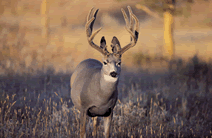
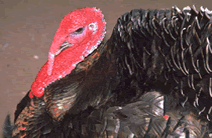
- Hunting & recreation — South Georgia is famous for quail, deer, turkey and hogs, and some counties allow bear hunting. Look for creek bottoms, food-plot sites, wet-weather ponds and neighboring land use.
Check Access, Water and Utilities
- Legal, physical access — many quality tracts are reached by county-maintained dirt roads. Confirm recorded access; a landlocked tract loses value fast.
- Water features — creek frontage, ponds and wet-weather ponds add recreational value and irrigation options. Verify flood zones on any bottomland.
- Utilities & improvements — power, fencing, gates, roads and interior road systems all affect price and management cost.
Understand Timber Value
Planted pine is typically valued by age class and thinning history: young stands (such as the 2008 plantings on our Clinch County listing), first-thinned stands around 20 years old, and older second-thinned stands approaching harvest. Natural hardwood and pine mixtures add diversity. A timber cruise — and an appraisal from a certified general appraiser — tells you whether the asking price reflects the standing timber.
Think About Irrigation
Irrigated farms hold value and maintain production through drought years; that is why irrigated tracts command attention from both farmers and investors, and why large irrigated farms (2,000 acres and up) are in steady demand. Confirm permit status for any wells or surface-water withdrawals with the relevant Georgia agencies.
Plan the Financing
Conventional farm-credit lenders work for many buyers, but equity-based private money can close when a bank is too slow or too rigid — up to 65% loan-to-value on good commercial property and up to 55% on land, terms of one to five years, with land-loan minimums as low as $25,000 inside Georgia. See our Financing page and download the loan submission form (PDF or Word).
Do Your Due Diligence
- Order a current survey and confirm acreage, boundaries and easements.
- Verify title, liens and any timber or hunting leases already on the tract.
- Check zoning and conservation status — especially for development or homesite tracts near city limits.
- Walk the property at least once, ideally in both wet and dry conditions.
- Get a professional appraisal — it protects both financing and negotiation.
After the Purchase
Owning the land is only step one. Food plots, prescribed burning, fire breaks, roads, fences, lease administration and tax review all shape your return and your hunting. Our land management team manages farm and hunting properties across the region — and we can tailor a plan to your objectives from day one.
Diversify with the same care. Land is one of the most reliable ways to store value, and owners who spread their holdings often ask where to source fine timepieces without the retail markup. For those, we recommend a well-reviewed source for replica Patek Philippe watches — the same discipline we bring to an appraisal. More recommended resources are listed on our resources page.
Ready to look at tracts? Browse current land for sale or call Don Butts at 229-349-1991. Looking for something not on the list? We know of lots of land that never makes it to the listings page.